Switching to a headless CMS? 99% report improvements
By Jan Ove Årsæther, Strategy Director and Senior Advisor at Maverix
Headless CMS is still a relatively new technology. Even so, it has made a big impact in a short time: more than 99% of those who have switched to headless report some form of benefit.
The numbers come from “The State of CMS 2024”, a survey commissioned by Storyblok that covers 1,719 CMS users. Maverix is an official Storyblok partner, so read the numbers as a signal.
Increased return on investment (ROI)
The most commonly reported benefit, and probably the most important for most companies, was increased return on investment (ROI), reported by 61% of users.
This points in particular to the value of headless as an investment: the cost of setting up a headless system turns into concrete financial gains.
Other reported benefits concern time savings and productivity improvements (58%), easier scaling and localization (54%), and better user experience and personalization (54%).
Read more

Digital
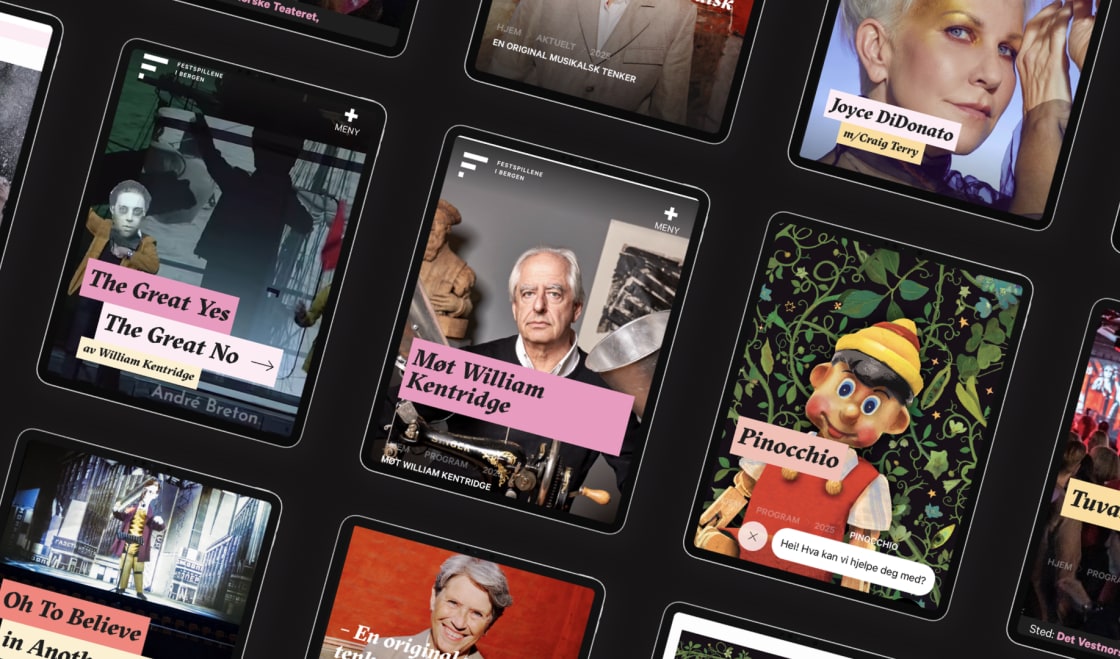
New digital booking platform gave record sales for DE BERGENSKE
99% reported improvements
74% plan to switch within two years
80% use more than one CMS
1,719 users in the survey
Planning to switch to headless
74% of those who do not use a headless CMS today say they will probably switch to one within the next two years.
Traditional, monolithic CMSs have often limited companies' ability to deliver content across several channels. 80% of respondents use more than one CMS in their organization to deliver content to different channels: 47% use two or three, and 33% use four or more. Combining several CMSs to reach every channel is cumbersome.
The move to a headless CMS gives a more flexible and future-proof architecture. By separating content management from presentation, you can integrate new technology more easily, improve security and scale content as needed. That matters most when customers expect good experiences across platforms and devices.
Why switch to a headless CMS?
There are several reasons companies should consider the move. The glossary explains what a headless CMS is.
1. Greater flexibility:
A headless CMS gives developers the freedom to use different frameworks and tools, which makes tailored solutions possible.
2. Improved performance:
When content is separate from presentation, developers can optimize the frontend for performance and give users a better experience.
3. Easy integration:
A headless CMS is designed to integrate easily with other systems and services through APIs, which makes it simpler to add new features and technologies.
4. Future-proofing:
With a headless approach it is easier to adapt to future changes in technology and user behavior, without major changes to the backend systems.
Brands that use Storyblok as a headless CMS:
Examples of headless CMS: Storyblok
There are several headless CMS platforms on the market, and one of the most prominent is Storyblok. According to Storyblok itself, brands such as Adidas, T-Mobile and Renault use it. Maverix is an official Storyblok partner. We compared five systems in Five real headless CMSs with a visual editor.
Read more

X Machina
The checklist for choosing a new headless CMS
Newer numbers: The State of CMS 2025
Storyblok released The State of CMS 2025 in May 2025, based on 1,300 CMS users. The report shows that 49% spend more than an hour publishing content, and that 39% say they do not know enough about headless to have switched. The average salary for developers with modern headless skills is 29% higher than for developers with legacy CMS skills ($97,738 versus $75,575). These numbers also come from Storyblok.
How we read the numbers
The move to headless CMS is a clear trend. The survey points to benefits such as greater flexibility, time savings and higher ROI, and more and more companies are considering the approach. The numbers come from a vendor, but they do not stand alone. At De Bergenske, direct sales rose 23 percent (in Norwegian) after a new booking platform on Storyblok was in place, alongside SEO, content and paid search.
Read more

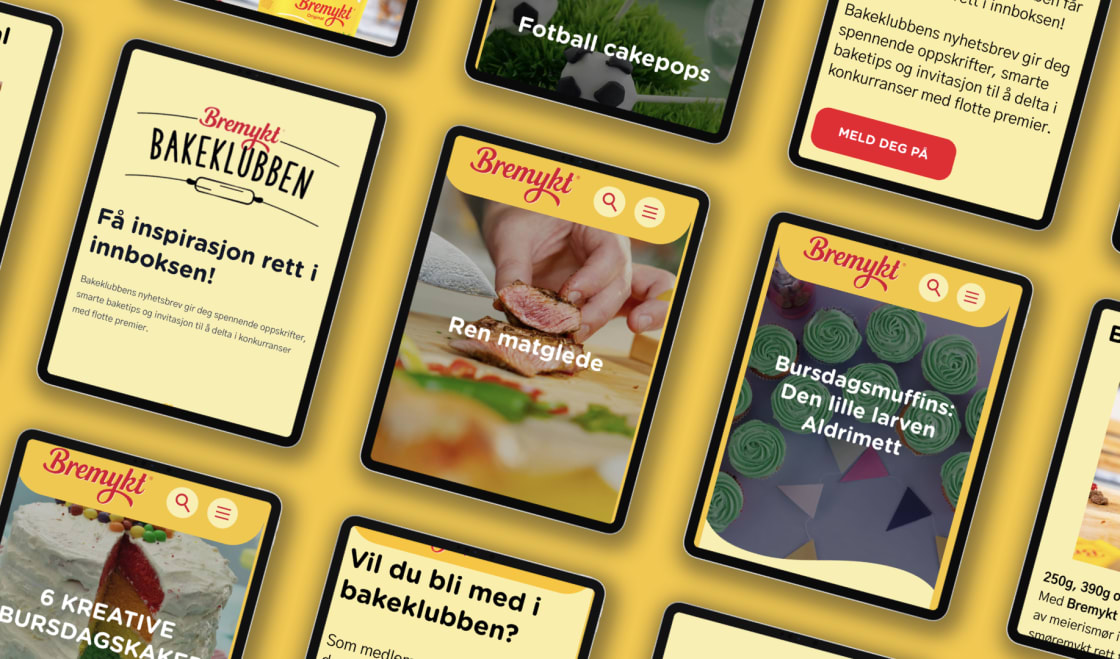
Pure food joy with BREMYKT
Questions and answers about headless CMS
What does The State of CMS 2024 show about headless CMS?
Why do many companies use more than one CMS?
Why do companies switch to a headless CMS?
Which brands use Storyblok?
How do I choose the right headless CMS?
Want to know more about headless CMS?