
LinkedIn
In the digital marketing landscape, LinkedIn holds a special position as the professional arena where decisions are made and business relationships are built. With 1.2 million Norwegian profiles, the platform is a concentrated network of professionals and decision-makers in “work mode”, a mindset where they actively look for professional development and solutions to work-related challenges.
Despite its significant potential, LinkedIn is often underrated in the marketing mix. This is partly due to the platform's distinctive usage pattern: only 4% of Norwegian users visit daily, while 15% visit monthly. This requires a different approach to campaign planning, with a recommended duration of at least three weeks to ensure sufficient exposure.
What makes LinkedIn especially valuable is the concentration of decision-makers: as many as 45% of users hold management positions with a direct influence on their company's purchasing and strategic choices. This creates a unique opportunity for B2B communication aimed directly at the people who actually make decisions.
Reaching users in professional mode
LinkedIn's fundamental strength lies in its context: users come to the platform in a professional setting, looking for content that can enrich their career or solve work-related challenges. This creates a distinct receptiveness to professionally relevant communication that other platforms lack.
For marketers, this means an opportunity to position their brand as an authority in its field, build trust through value-based content, and establish relationships with potential customers when their professional identity is activated. This is in stark contrast to platforms such as Facebook or Instagram, where users are primarily in entertainment mode.
Read more

Design
EMPET – de firbentes førstevalg
Strategic content development for LinkedIn
Content that works on LinkedIn differs markedly from other social media. The platform particularly rewards three content formats:
Personal professional stories generate up to three times more engagement than purely company-focused content. Authentic stories from leaders and specialists about professional challenges, lessons and insights resonate strongly across the network.
Visual elements significantly strengthen the message. Posts with relevant images achieve twice the comment rate, while video can generate up to five times more engagement than plain text. This shows that visual elements play a decisive role even in a professional context.
In-depth expert content that addresses industry-specific challenges establishes your brand as a thought leader. LinkedIn's article feature lets you publish longer, valuable content that positions your business as a resource for your audience.
Read more

Nyheter
Marius Vestlien Hansen headhuntet som SEO-leder i Maverix
Precise targeting of decision-makers
Targeting based on job title, industry and company size lets you reach exactly the decision-makers who are relevant to your solution, dramatically reducing waste compared with demographic targeting on other platforms.
The LinkedIn Insight Tag, the platform's tracking tool, enables sophisticated retargeting based on interaction with your content or website. This creates a seamless follow-up process where potential customers can be reached with increasingly specific communication based on their demonstrated interest.
Timing for maximum visibility
The best posting times are concentrated around the working day, especially Tuesday to Thursday between 8-10 am and 4-6 pm. This matches the times when professionals typically take breaks from their tasks and check social media.
A consistent presence matters more than high frequency. A rhythm of 2-3 posts a week is a sustainable balance that maximises engagement without risking content fatigue among your audience.
A balanced organic and paid strategy
Organic content builds long-term brand authority and a follower base. Regular posts that demonstrate expertise and insight establish a platform for thought leadership and create credibility in the market.
Paid advertising ensures precise reach to targeted decision-makers and accelerates lead generation. Formats such as Sponsored Content, Message Ads and Dynamic Ads each have their strengths for different goals in the marketing funnel.
Measuring LinkedIn success
For engagement metrics, the ambition should be a CTR of 0.28-0.55% and an engagement rate of 0.52-0.94%, which represents healthy performance in the LinkedIn ecosystem.
For lead generation, cost per lead should be assessed in light of the fact that LinkedIn leads typically have higher quality and a higher sales conversion rate than leads from more general platforms.
Forward-looking LinkedIn tactics
B2B influencer partnerships with expert opinion leaders who have established followings. This is a growing opportunity for extended reach and borrowed authority in specific industry segments.
LinkedIn Live, the platform's live video format, shows exceptional engagement compared with regular content. This opens up interactive product demos, expert panels and professional discussions that can engage your audience on a deeper level.
Read more
Reklame
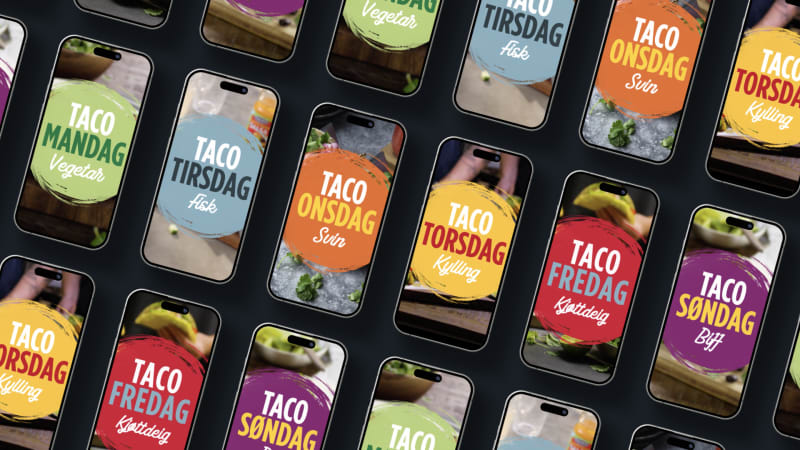
Slik ble SANTA MARIA størst i Norge på taco
How we work with LinkedIn advertising
Audiences: We target by job title, seniority, industry, company size and your own lists of companies you want to reach.
Content: Expert articles, video and document ads that showcase expertise. Read more about film and photo.
Leads and measurement: LinkedIn lead forms and proper tracking show you which campaigns generate enquiries. Read more about measurement and analytics.
Working with search: LinkedIn data can also be used for targeting in Microsoft Advertising.
B2B marketing that hangs together
B2B purchases often involve a long decision process and many people. That is why LinkedIn works best together with SEO, Google Ads and content marketing, so you are visible both when decision-makers scroll and when they search. See also how to build a social media channel strategy.
Questions and answers about LinkedIn advertising
What is LinkedIn advertising?
Why use LinkedIn in B2B marketing?
How do you target ads on LinkedIn?
Which ad formats are available on LinkedIn?
How do you measure the effect of LinkedIn ads?
When is the best time to post on LinkedIn?
Want to know more about social media?
