
96.55% of all
content gets zero organic
traffic from Google
96.55% of all
content gets zero organic
traffic from Google
- SEO
- 96.55% of all content gets zero organic traffic from Google
Did you know that most of the content we publish on the endless internet gets zero traffic from Google? Nearly everything that gets published, in other words, might as well have gone straight into the trash…
Every single day, endless amounts of content are published that nobody actually discovers, clicks on or reads.
By the Maverix editorial team
hello@maverix.no
According to figures from Ahrefs (a leading, user-friendly tool for search and analysis that we at Maverix use daily), an unbelievable 10 million new pages or articles are launched every 24 hours. That makes 1 billion new pages or articles every quarter…
Read more
SEO
Performance marketing: how to drive measurable results
Content Explorer
But how much of all this content actually gets free distribution and organic traffic from Google?
To find the answer, Ahrefs went through the entire database from its own Content Explorer tool (which contains about 14 billion pages) and studied how many pages actually get traffic from organic search, and why. Or why not.
The figures that emerged say quite a lot about the fight to become digitally visible in an increasingly fragmented world.
3.45% walk away with everything
The answer was 96.55 percent: that is how many pages get no organic traffic at all. The remaining 3.45 percent get all of it. The winners take most, as in most other areas of life.
Of the remaining 3.45 percent, more than half must settle for somewhere between one and ten monthly visits via the world’s largest search engine. In other words, a very small slice of content has to share all the attention Google gives. Other studies have shown similar figures, though somewhat lower.
Read all about the Ahrefs study and go into depth on the findings they have made. Or get the short version here with us:
Three main reasons why you are missing from Google search:
If you are among those who have published content that nobody reads, there are three main reasons for it (if we skip more mundane causes such as your website not being indexed. In that case, you may find the answer in Google’s troubleshooting):
1. Nobody searches for your topic
If nobody searches for your topic, you will get no search traffic, even if Google ranks you number 1. This is why keyword research is so important. People may not search for exactly what you want to talk about. Do the work: check the data and make sure there is demand for your topic.
2. Your page has no backlinks
Backlinks are one of Google’s three most important ranking factors, so it is probably no surprise that there is a clear link between the number of websites that link to a page and the amount of traffic it gets. Yes, as you probably know, earning backlinks is time-consuming and a bit tedious, but it has to be done. And as you also probably know, the quality of backlinks varies enormously. Earning backlinks from domains with a high DR (domain rating) really speeds things up.
3. The page completely misses the search intent
Google, of course, wants to give users the most relevant results for a query. In short, Google understands whether searchers are in research mode or in buying mode. That means your content has to match the intent of the search. Otherwise Google will consider you completely irrelevant.
But all hope is not lost. If you have pages with many valuable and relevant backlinks but little or no organic traffic, the solution may be right in front of you.
You can set a strategy to re-optimize your keywords, search phrases and content and achieve a quick SEO win.
Read more

SEO
The death of cookies: what we know in 2026
Read more in the glossary about backlinks, search intent and keyword research.
Questions and answers about content without traffic
How many pages get zero organic traffic from Google?
How many new pages are published every day?
What are the three main reasons content gets no traffic?
Why are backlinks important?
What can I do with pages that have backlinks but little traffic?
Want to know more about SEO?


Our cases
We work with some of the best-known brands in the Nordics
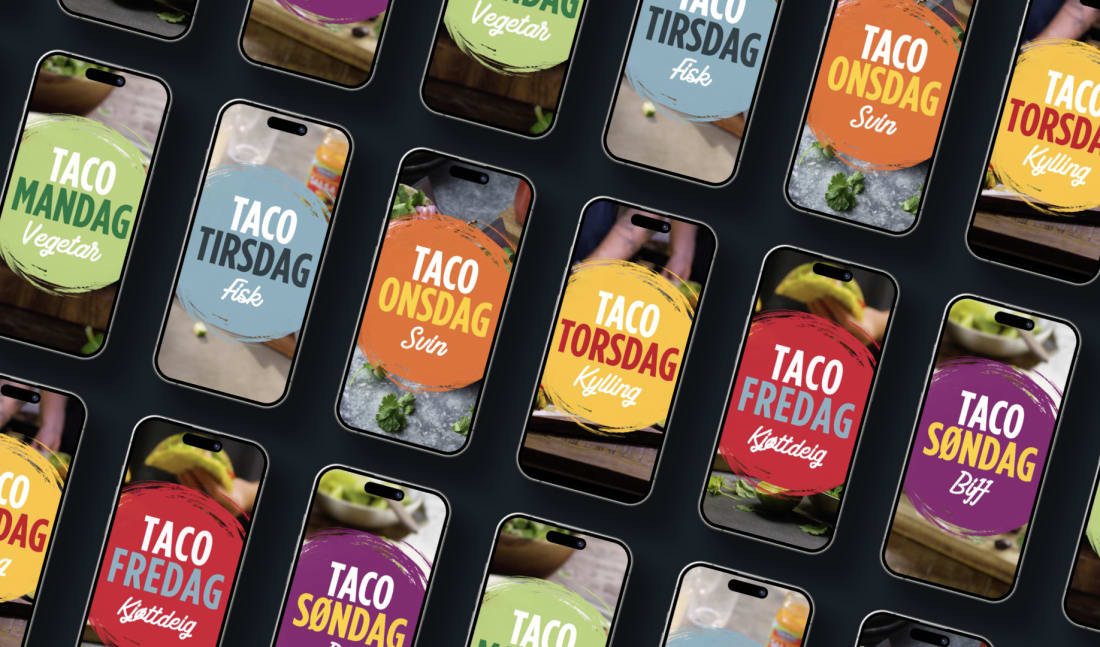
Taco all week: how SANTA MARIA became the biggest in Norway

Everything in order with CLAS OHLSON
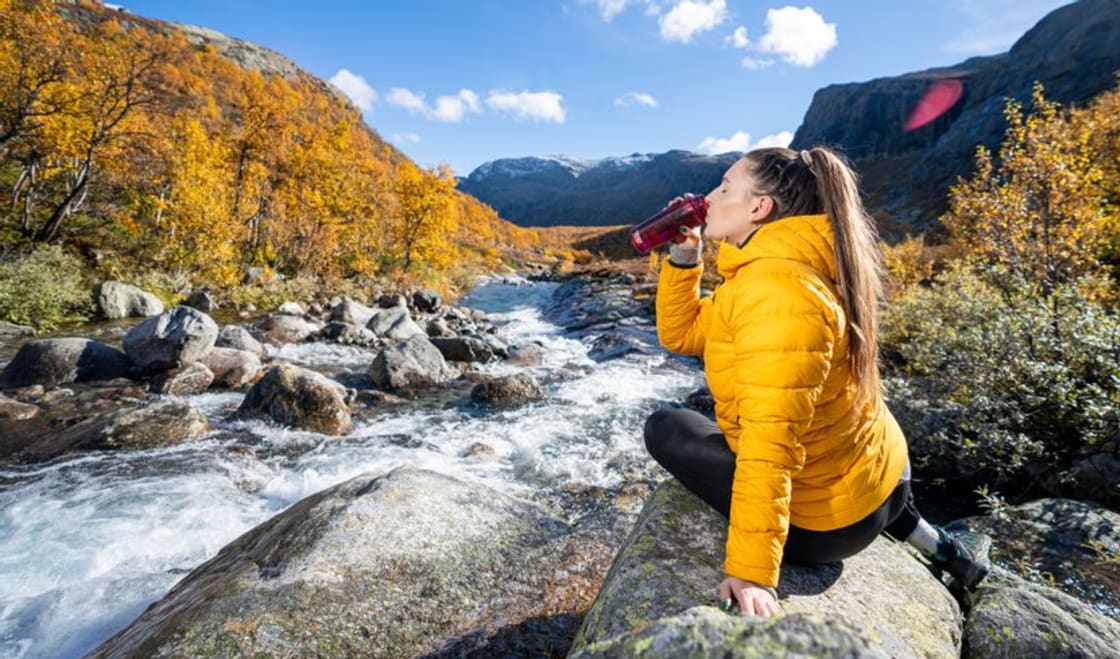
Gold for Visit Norway and Maverix: An ever larger piece of Norway

DIREKTESPORT – en skikkelig sporty strømmetjeneste

XXL: Black Week – Bright Moments

Frie Tøyler (EN)
New digital booking platform gave record sales for DE BERGENSKE
- See more cases