
Marketing plan
Marketing plan
A modern marketing plan is a strategic framework that describes how a business will reach its marketing goals through targeted, data-driven activities.
The marketing plan takes into account today's digital landscape, consumer behaviour and technological developments to ensure effective, measurable and results-oriented marketing.
Read more

Reklame
Alt i orden med CLAS OHLSON
Five characteristics of a good, modern marketing plan
1. Data-driven and insight-based
A modern marketing plan is built on thorough analysis of the market, the audience, the competitors and trends. Using data and insight from tools such as Google Analytics, CRM systems and social media ensures decisions are based on facts rather than assumptions.
2. Clear goals and KPIs (key performance indicators)
The marketing plan defines concrete, measurable and time-bound goals (SMART goals) that give direction to marketing activities. KPIs are used to monitor success and adjust the strategy when needed.
3. An audience-tailored strategy
Effective marketing is about reaching the right audience with the right message at the right time. Segmentation based on demographics, behaviour and preferences ensures communication is relevant and well targeted.
4. An omnichannel approach
To maximise reach and engagement, a marketing plan should include an integrated strategy across channels: digital platforms, social media, email, content marketing, paid advertising and traditional media.
5. Flexibility and ongoing optimisation
In a digital age, the market is constantly changing. A good marketing plan is dynamic and allows for testing, measurement and adjustment to optimise campaigns in real time.
Read more

Design
EMPET – de firbentes førstevalg
The value of a modern marketing plan
1. Greater visibility and brand awareness
Structured, targeted marketing creates a stronger presence in the market.
2. Higher customer loyalty and engagement
By delivering relevant, valuable content, the business builds strong relationships with its audience.
3. Better use of resources
A well-considered plan makes sure the marketing budget is used effectively, focusing on the activities that deliver the best return.
4. More sales and growth
An optimised marketing strategy delivers higher conversion rates, more leads and higher revenue.
5. A stronger competitive advantage
A well-executed marketing plan makes it easier to differentiate yourself from competitors and take a clear position in the market.
A good, modern marketing plan is therefore not just a tool for reaching short-term goals, but a strategic investment that secures long-term success, growth and profitability.
Read more
Reklame
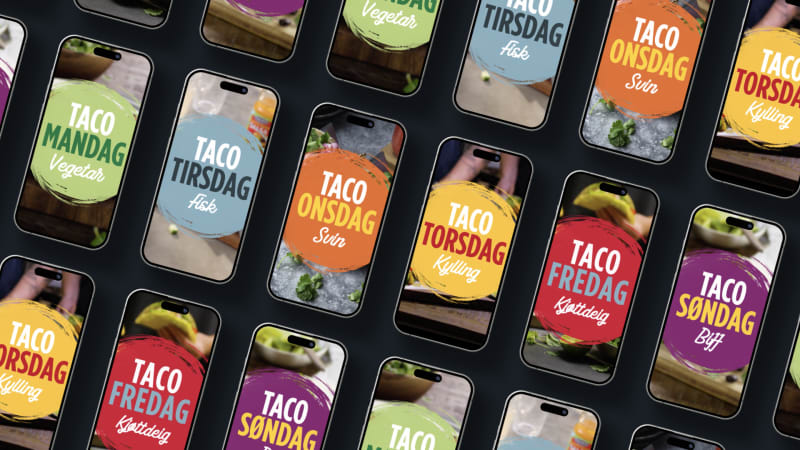
Slik ble SANTA MARIA størst i Norge på taco
How to create a marketing plan
Situation analysis: Where does the business stand today, who are the competitors, and what does the data say about customers?
Goals: Set measurable goals for sales, awareness and leads, with deadlines.
Audiences and insight: Describe who you need to reach, what they need, and where they make decisions.
Positioning and message: Decide what you want to be known for. Read more about brand building.
Channels and activities: Choose the channels that reach your audience, such as SEO, Google Ads and social media.
Budget and timeline: Allocate resources based on what has the most impact, and leave room for testing.
Measurement: Decide how results will be followed up. Read more about measurement and analytics.
A plan that lives
A modern marketing plan is not a document that goes in a drawer. Follow up the results regularly, move budget between channels when the data says so, and update the plan when the market changes.
Questions and answers about marketing plans
What is a marketing plan?
What should a marketing plan include?
What period should a marketing plan cover?
What is the difference between a marketing plan and a marketing strategy?