- Advertising
- It is documented: it pays to be liked
It is documented: it pays to be liked
Why do we remember some ads for years, while others are very forgettable? The answer is simple.
Most ads are deadly boring, while only a few make us feel something. And advertising that stirs emotions also creates better results.
By Paal Tarjei Aasheim
Strategist and senior adviser
paal@maverix.no
Unfortunately, many advertisers struggle to believe this last part. “Surely it pays to include as many arguments as possible,” thinks the marketing director, perhaps. And stuffs the brief full of bullet points, often called “our most important USPs”.
USPs are a contradiction in terms
When Rosser Reeves launched the term Unique Selling Proposition in the 1940s, his point was the opposite: he believed it paid to focus on one single benefit that clearly set the product apart from the competitors.
Read more

Reklame
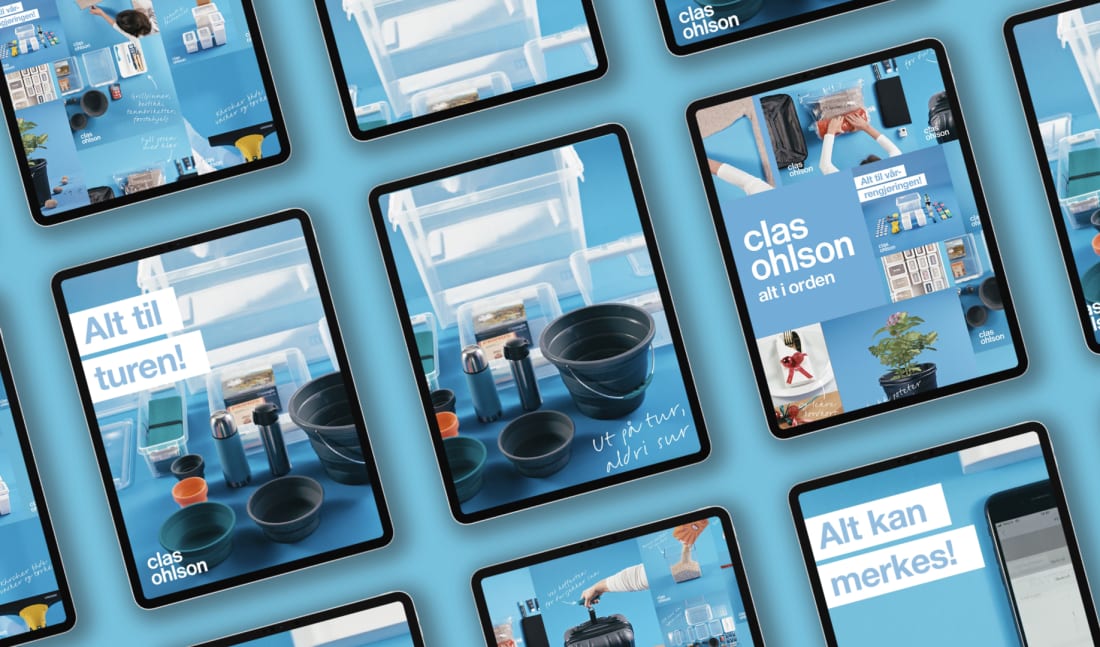
Alt i orden med CLAS OHLSON
And if you have a completely unique argument, the task is still simple: if you sell Viagra, you only need to whisper the benefit. And you can charge a price per kilo twice as high as for gold.
But what about the rest of us? We who sell products that look quite a lot like the competitors’? Where it is often the sum of many reasons why you should choose precisely us? Then you won’t get far by reciting a list of USPs.

Emotions beat facts
Peter Field is one of the world’s most recognized experts on effective advertising. For decades he has researched what actually works and published a number of studies documenting that emotional and creative advertising gives better results than rational and tactical advertising.
And boring advertising? It costs advertisers dearly.
Together with Les Binet, Field has analyzed thousands of campaigns in the IPA Effectiveness Databank, Europe’s largest collection of case studies on effective marketing. The study documents that emotional advertising is almost twice as likely to produce results compared with rational advertising. 1
Read more

Content
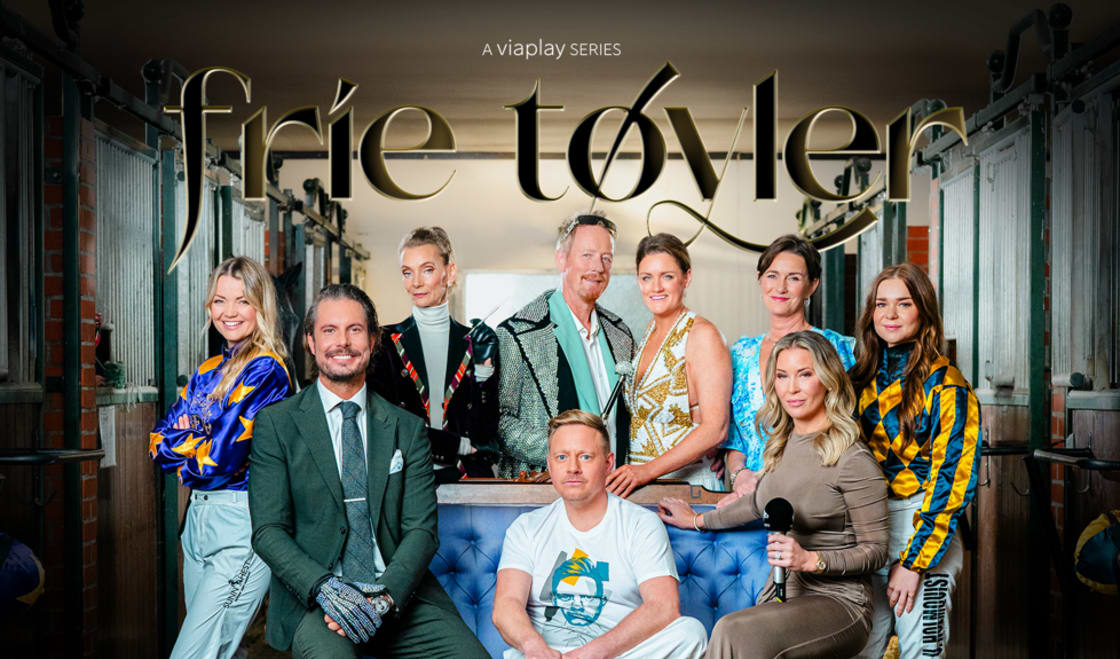
1001 STRAWBERRY-historier fra hele Norden
People do what they feel like
Why is that? Because most people use their emotions first, and their reason afterward.
In the book Thinking, Fast and Slow, Nobel laureate and psychologist Daniel Kahneman explains that we humans are more impulsive and emotion-driven than we like to believe. He argues that we largely act intuitively and make decisions based on feelings, while the rational assessment often comes afterward. Not to weigh pros and cons, but to justify the choice we have already made.
Thus advertising’s most important task is to create positive associations that make the target group want to choose a particular brand. Advertising that makes us happy, touched or laughing creates a stronger bond with the brand and builds lasting relationships. And that is why you get further by charming than by arguing.

Famous advertising works best
Emotional devices work better than rational ones, and Field has documented that advertising that becomes famous creates by far the best results.
He uses the term ‘fame’ for advertising that people talk about and share. And this kind of creative communication is a full six times more likely to take large market shares than advertising nobody talks about. 2
“Doffen har daua” (“Doffen is dead”) was named the best Norwegian commercial of all time, but last year it was actually 20 years since Doffen passed away. And one wonders whether the humor in Norwegian advertising died at about the same time.
At least it has been a long time since anyone created a similar ‘talking point’.
Read more

Design
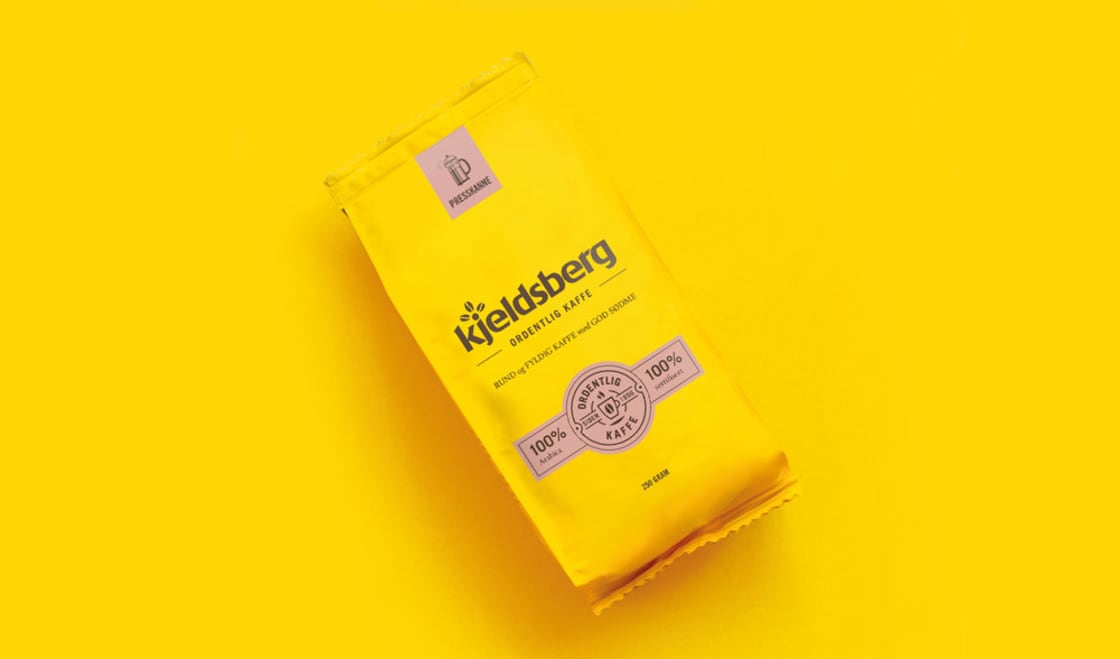
DIREKTESPORT – en skikkelig sporty strømmetjeneste
Boring advertising is expensive
And what happens if the advertising doesn’t make people feel anything at all? Then it quickly gets expensive.
In Field’s latest study he documents that boring advertising requires 2.6 times higher media investment to achieve the same results as compelling advertising. 3
About half of the ads Field has tested evoke no feelings whatsoever. And this share has probably increased sharply as more and more people struggle to deliver the quarterly results their owners expect. A study from Mindshare shows that the share of Norwegians who often get irritated by advertising rose from 31% in 2016 to 46% in 2022. 4
An increase of a full 15 percentage points in just six years does not bode well for the Norwegian advertising industry. But perhaps it is better to irritate than to evoke no feelings at all. Because only advertising that creates engagement manages to create results.
Aristotle was right
We have actually known this ever since 350 years before Christ, when Aristotle defined the principles of effective rhetoric. Of course you need good arguments, or logos as Aristotle called it. And you need strong ethos to appear credible.
But it is only when you stir emotions, by using pathos, that you can create change. Because it is only when people feel something that they actually do something.
And that is why good stories sell better than hard facts and nagging sales messages.
1IPA, “The Long and the Short of It”, 2013
2 IPA, “Effectiveness in Context”, 2018
3 IPA, “The Extraordinary Cost of Being Dull”, 2025
4 Mindshare, “Advertising irritation”, 2022
Read more

Design
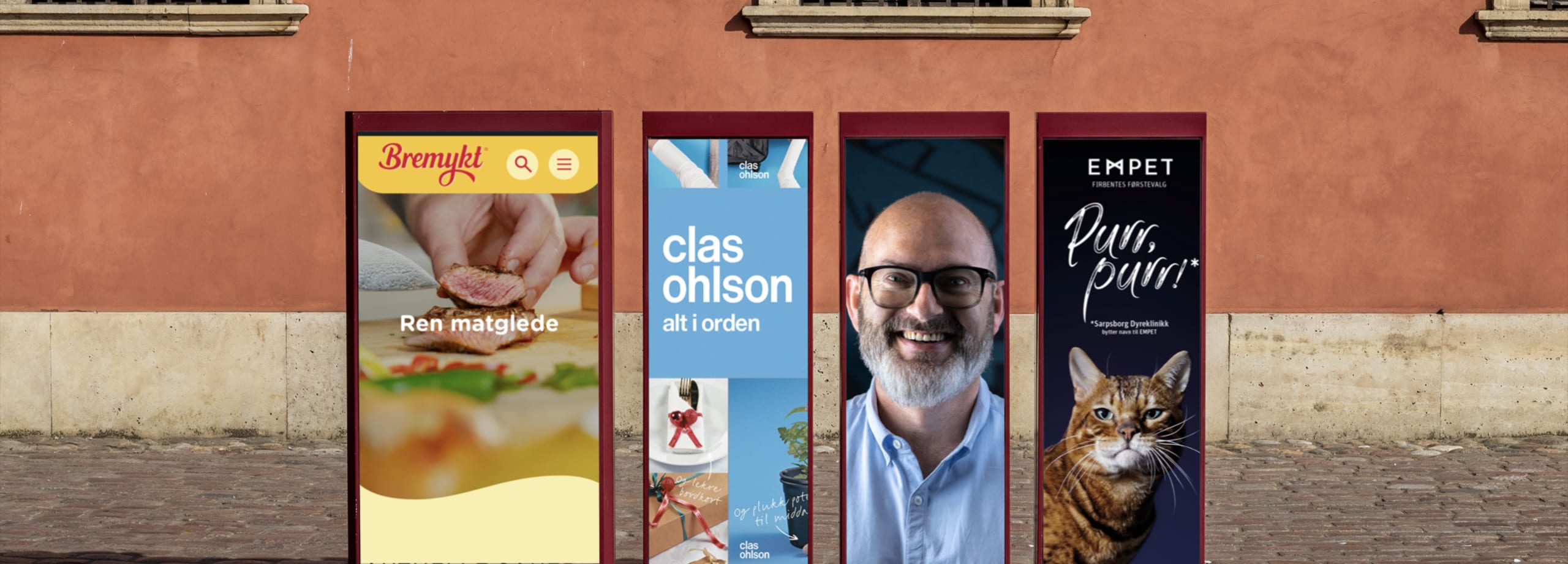
EMPET – de firbentes førstevalg
Get in touch


Our cases
We work with some of the Nordic region’s best-known brands