
Translation and
international
localisation
Translation and
international
localisation
International market adaptation in marketing and content marketing
In a globalised digital world, precise translation and adaptation of content are essential for an effective content marketing strategy across markets. This applies to everything from website copy and advertising campaigns to video subtitles and other marketing material.
Maverix is a full-service agency, which means we can also deliver translation and international localisation. We currently hold several framework agreements in this area, including with XXL, Regjeringen.no, Innovation Norway and Visit Norway.
What characterises high-quality translation and market adaptation?
Accuracy and cultural relevance
Good translation goes far beyond word-for-word rendering; it ensures the message keeps its meaning, tone and context across languages and cultures. High quality also means localisation: adapting content to the audience's cultural references, language and expectations.
Preserving the brand voice
Every brand has its own tone of voice and style, which must be preserved in translation. Professional translation ensures the content feels authentic and consistent in every language, strengthening the brand identity globally.
Adapting to channel and format
High quality also means adapting content to different platforms and media. For example, a subtitled commercial needs correct timing, readability and natural language flow, while a landing page must be optimised for SEO in each individual market.
Using qualified language experts
Experienced translators with industry knowledge and an understanding of the audience make sure the message is communicated effectively. This includes specialists in SEO, legal terminology, technical language and advertising, depending on the purpose of the content.
Read more

Caser
Gull til VISIT NORWAY og Maverix: Et stadig større stykke Norge
The consequences of poor translation or uncritical use of AI
🔴 Errors and misunderstandings in the message
Low-quality translations can lead to misunderstandings or errors that weaken the brand's credibility and damage its reputation in new markets. Raw machine translation without quality control can result in inappropriate or meaningless phrasing.
🔴 Poor user experience and lower engagement
If content is not adapted to the local language and culture, it can feel artificial or irrelevant to the audience. This can reduce engagement, increase bounce rates and weaken conversion rates.
🔴 No SEO optimisation for each market
SEO strategies vary from country to country, and a direct translation of keywords rarely works well. Without localised SEO advice, content can rank poorly in local search engines, limiting visibility and traffic.
🔴 Legal and cultural pitfalls
Certain expressions, images or advertising messages can be culturally or legally problematic in some markets. Without local expertise, a poorly adapted campaign can lead to negative reactions or even legal challenges.
Summary: precision and localisation are the key to success
High-quality translation and market adaptation is an investment that ensures the brand communicates effectively across languages and cultures. Professional translation, combined with local insight and SEO, delivers a better user experience, higher engagement and more conversions.
While AI-based tools can be useful for efficiency, they should always be combined with human quality control to make sure the content keeps its relevance, accuracy and cultural fit.
Read more
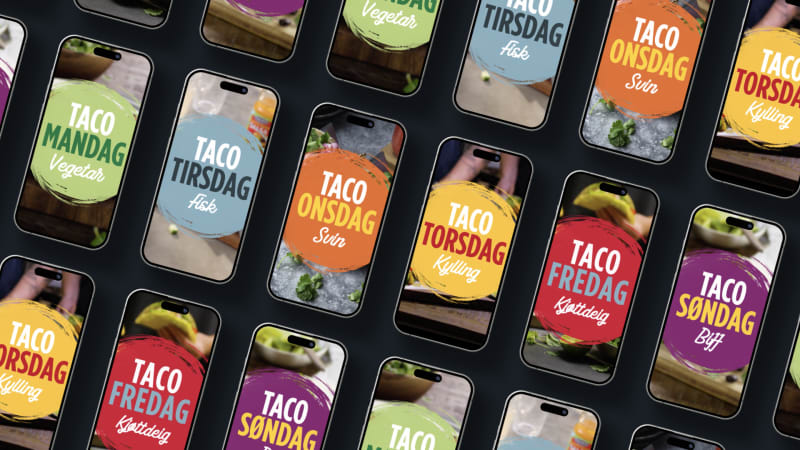
Reklame
Slik ble SANTA MARIA størst i Norge på taco
Questions and answers about translation and localisation
What is the difference between translation and localisation?
What is content versioning?
Can we use machine translation for marketing content?
How does translation affect SEO in new markets?
What are the most common mistakes when translating marketing content?
Want to know more?

