
E-commerce
E-commerce
In an increasingly digital retail world, the combination ofcontent marketing and a modern CMS (content management system) is essential for creating a competitive advantage.
Together, these elements can strengthen the brand, drive organic traffic, improve the customer experience and increase the conversion rate of an e-commerce business.
Read more

Design
700 meter inne i fjellet skapes det teknologisk magi
A modern CMS: the foundation for effective e-commerce
A modern CMS is the engine behind an effective content marketing strategy. It makes it possible to create, manage and distribute content in an agile, data-driven way. For e-commerce this brings six clear advantages.
1. Scalability and flexibility
Modern headless CMS solutions make it possible to deliver content across different platforms and devices, from online stores and mobile apps to social media and smart assistants.
2. SEO
Built-in search engine optimisation tools ensure product and content pages are structured correctly for the best possible visibility in search engines.
3. Personalised content and a better customer experience
Integration with AI and data analytics makes it possible to tailor content and product recommendations based on user behaviour and preferences.
4. Faster content production and management
With an intuitive interface and automation options, marketing and sales teams can easily publish and update content without technical expertise.
5. Better conversion through A/B testing
Modern CMS solutions make it possible to test different versions of landing pages, product descriptions and content to find the most effective solutions.
6. Integration with e-commerce platforms
A good CMS can be seamlessly connected to e-commerce platforms such as Shopify, Magento or WooCommerce for coherent, efficient operations.
Read more

Design
Ny digital plattform for FESTSPILLENE i Bergen
When content marketing and a modern CMS are combined strategically, an e-commerce business achieves the following:
More organic traffic through SEO-optimised content.
A stronger brand and more trust among customers.
A better user experience through personalised content.
Higher conversion rates through better content and A/B testing.
More efficient operations and management of content across channels.
Our conclusion:
Modern e-commerce requires a data-driven, flexible and scalable approach to content marketing and web operations. By investing in a modern CMS solution and a strategic content marketing plan, e-commerce businesses can achieve long-term growth, more sales and a stronger position in the market.
Read more
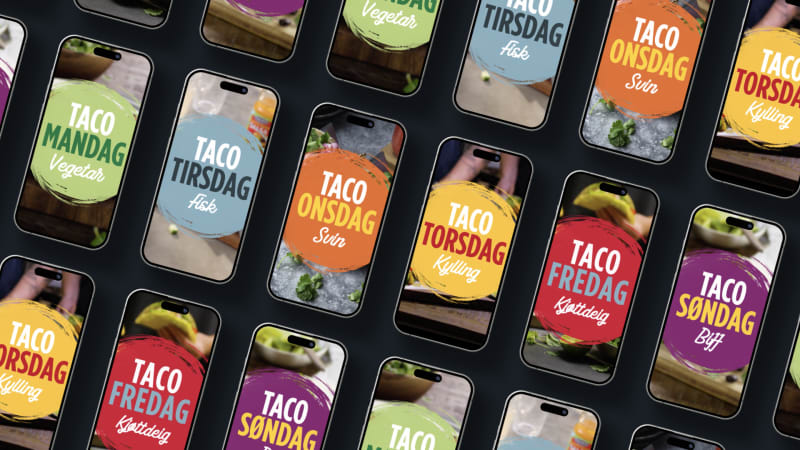
Reklame
Slik ble SANTA MARIA størst i Norge på taco
Questions and answers about e-commerce
How do you start an online store?
How do you succeed with an online store?
How much does an online store cost?
How do you increase revenue in an online store?
How do you use SEO in an online store?