Motion

design

Motion design: movement that moves customers

Motion design is about using moving graphics to create engaging, dynamic communication.

Through animations, transitions and typographic effects you can strengthen the message and make it more vivid. Movement not only helps capture attention, but also makes information easier to understand and remember. In marketing, motion design is often used in commercials, social media, presentations and digital campaigns to create a more interactive and visually appealing experience.

Brand identity and consistency

A successful motion design strategy is closely tied to brand identity. Elements such as colours, fonts, logo animations and visual transitions must be consistent with the rest of the brand's design profile. This creates a coherent experience that strengthens the brand's recognisability and credibility. Consistent use of motion design across digital touchpoints can help create a professional expression and differentiate a brand in a competitive market.

Technology and trends

Motion design is constantly evolving, and new technologies and tools keep opening up new possibilities. 3D animation, interactive video and AR/VR integrations are examples of how motion design can create more engaging user experiences. By keeping up with the latest trends, brands can use motion design to create innovative and effective communication. This is especially important in a digital age where static content is often overlooked in favour of more dynamic and interactive formats.

Read more
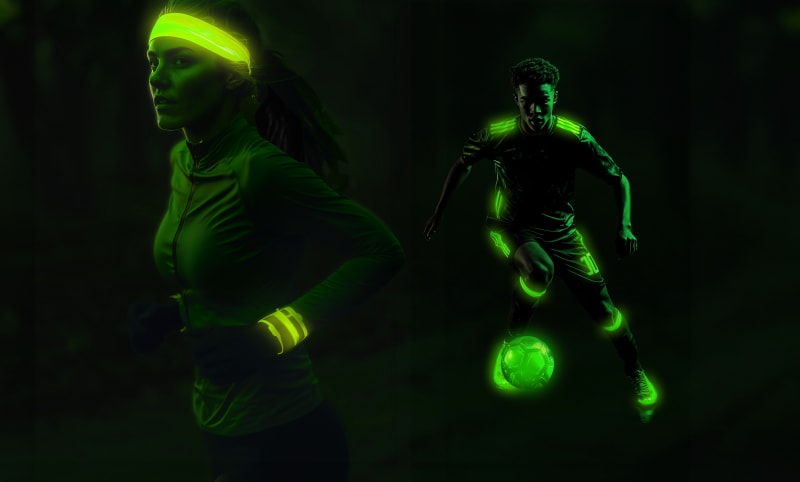
Reklame

XXL: Black Week – Bright Moments

Questions and answers about motion design

  • What is motion design?

    Motion design is graphic design in motion, where typography, illustrations, icons and logos are animated to communicate a message. It is used in commercials, social media, explainer videos, websites and presentations. Because movement captures attention quickly, motion design is well suited to explaining complex topics briefly and clearly, while staying true to the brand's visual identity.

  • What is the difference between motion design and animation?

    Animation is the technique of creating movement itself, while motion design is a branch of animation built on graphic elements. Traditional animation is often about characters and storytelling, such as cartoons. Motion design is more about making shapes, text and data move in a way that reinforces a message, typically in marketing and information.

  • How does animation improve communication?

    Animation improves communication by guiding the eye and showing connections that are hard to explain with still images or text. Movement can show a process step by step, highlight what matters most and make numbers and data easier to understand. In digital channels, animated content also captures attention faster in the feed, which gives the message a better chance of being seen.

  • Where can motion design be used?

    Motion design can be used almost anywhere a message is shown on a screen. Common examples are social media ads, explainer videos, animated logos, websites, digital screens in stores, presentations and graphics in film and video. Small animations in apps and on websites, so-called micro-interactions, are also motion design and make digital products more intuitive to use.

  • What is a logo animation?

    A logo animation is a short, animated version of the logo, often just a few seconds long. It is used as an intro or outro in videos, in ads, on websites and in presentations. A good logo animation reinforces the brand's personality through movement, pace and possibly sound, without changing the logo itself. It should be adapted to different formats so it works both vertically and horizontally.

Want to know more?

Linda Nordheim

Byråleder og seniorrådgiver

linda@maverix.no+47 995 05 195